

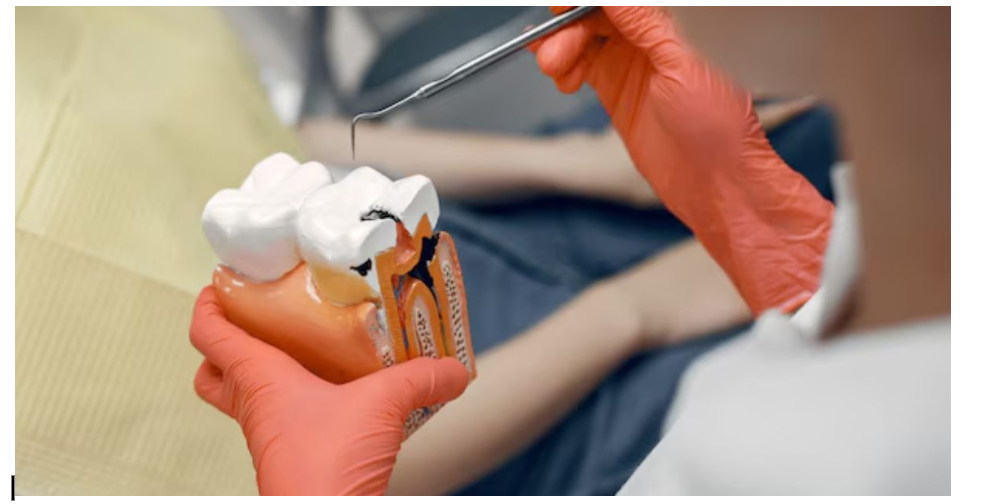
Wisdom teeth are the last set of molars that usually appear between the ages of 17 and 25. While some people have enough space in their mouths for these teeth to grow normally, many experience issues such as crowding, pain, or infection. In such situations, wisdom tooth removal becomes an important dental procedure that protects long-term oral health. Visiting a Dental Clinic for a professional evaluation helps determine whether removal is necessary and ensures the process is safe and comfortable.
Wisdom tooth extraction is one of the most common procedures performed by dental professionals worldwide. Advances in modern dental technology and techniques have made the procedure much smoother and less intimidating than many people imagine. Today, dentists focus heavily on patient comfort, clear communication, and quick recovery, making the experience far more positive than the myths often suggest.
Signs That Wisdom Tooth Removal May Be Needed
Not everyone needs to have their wisdom teeth removed, but certain signs may indicate that extraction is the best option. Pain at the back of the mouth, swollen gums, jaw stiffness, and difficulty chewing are common symptoms that may signal a problem. Sometimes wisdom teeth grow at an angle or remain trapped beneath the gums, a condition known as impaction.
Impacted wisdom teeth can cause infections, damage nearby teeth, or lead to gum disease if not treated in time. Consulting a professional in dentistry ensures that the condition is properly diagnosed using X-rays and oral examinations. Modern dental clinic environments are equipped with advanced imaging tools that allow dentists to accurately evaluate the position of wisdom teeth, assess the need for Dental implants, and recommend the most appropriate treatment plan.
Early detection plays a key role in preventing complications. When wisdom teeth are monitored regularly during dental check-ups, dentists can decide whether removal should be done before problems begin. This proactive approach often leads to an easier procedure and faster healing.
The Wisdom Tooth Removal Procedure
Many patients feel nervous about dental procedures, but wisdom tooth removal is generally straightforward and carefully managed by experienced professionals. The process usually begins with a consultation where the dentist explains the procedure, answers questions, and discusses sedation or anesthesia options to ensure maximum comfort.
On the day of the procedure, the dentist numbs the area using local anesthesia, ensuring that the patient does not feel pain during the extraction. In some cases, sedation dentistry may be used to help patients relax. If the wisdom tooth is impacted, a small incision may be made in the gum to access the tooth. The dentist may divide the tooth into smaller sections to make removal easier and minimize pressure on the surrounding bone.
The entire process is usually completed within a short period of time, depending on the complexity of the case. Thanks to advancements in dentistry, modern techniques allow for minimal discomfort, reduced swelling, and faster recovery.
Recovery and Aftercare
One of the most reassuring aspects of wisdom tooth removal today is the relatively quick recovery time. Most patients begin to feel better within a few days and can return to their normal routine shortly afterward. Following the dentist’s aftercare instructions is essential to ensure smooth healing.
After the procedure, patients are usually advised to rest for the remainder of the day and avoid strenuous activities. Applying a cold compress can help reduce swelling, while prescribed or recommended pain relievers keep discomfort under control. Soft foods such as yogurt, soups, mashed potatoes, and smoothies are ideal during the first couple of days.
Maintaining oral hygiene is also important during recovery. Dentists typically recommend gentle rinsing with warm salt water after the first 24 hours to keep the area clean and prevent infection. Avoiding smoking, drinking through straws, or touching the extraction site helps protect the healing process.
Within a week or two, the gum tissue usually heals significantly, and most patients notice that the discomfort they previously experienced from problematic wisdom teeth is completely gone.
Benefits of Removing Problematic Wisdom Teeth
Although the idea of removing a tooth may initially sound intimidating, the long-term benefits often outweigh the temporary discomfort of the procedure. Wisdom tooth removal can prevent overcrowding of teeth, reduce the risk of infection, and protect nearby molars from damage.
In many cases, removing problematic wisdom teeth also improves overall oral hygiene. When wisdom teeth are partially erupted or positioned incorrectly, they can create areas where food particles and bacteria accumulate. This makes cleaning difficult and increases the risk of cavities and gum disease.
By removing these hard-to-clean teeth, patients often find it easier to maintain a healthy smile. Regular check-ups at a professional dental facility ensure that the rest of the teeth remain strong and well-aligned.
Conclusion
Wisdom tooth removal is a common and beneficial dental procedure that helps prevent future oral health complications. When wisdom teeth grow improperly or become impacted, they can lead to pain, infections, and damage to surrounding teeth. Removing them at the right time not only relieves discomfort but also protects the overall structure and health of the mouth.
With modern advancements in dentistry, the process has become safer, quicker, and far more comfortable than many people expect. Experienced dental professionals use advanced tools and techniques to ensure that patients receive gentle care and a smooth recovery. Visiting a trusted Dental Clinic for regular check-ups allows dentists to monitor wisdom teeth early and recommend the best treatment when necessary.
Ultimately, wisdom tooth removal should be seen as a positive step toward maintaining long-term oral health. With proper care, professional guidance, and good oral hygiene habits, patients can enjoy a healthier smile and improved comfort for years to come.
 IQnewswire
  Blitz
Blitz