

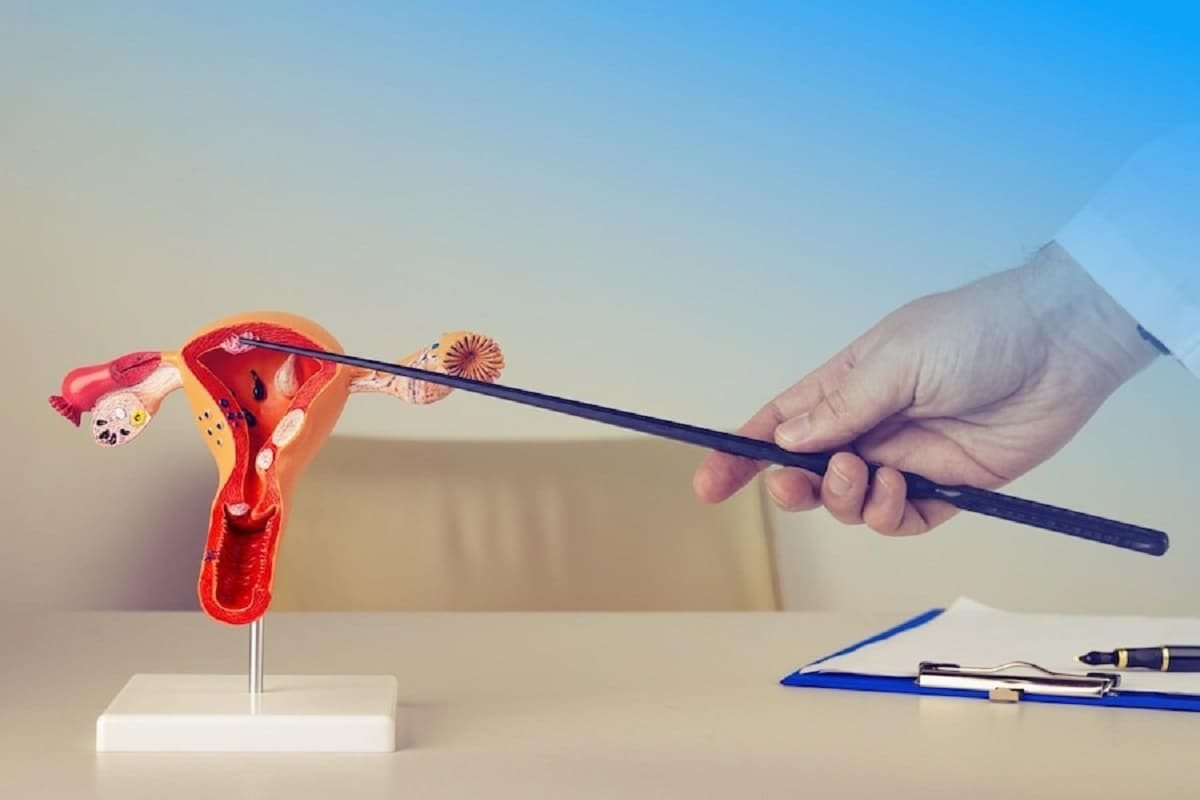
Tubal blockage is one of the most common causes of female infertility, but the good news is that it is not always a permanent condition. Many women today are exploring non-surgical ways to manage or treat this issue under the guidance of an experienced Leading IVF Doctor, especially when they want to avoid invasive procedures. With advancements in fertility care and a better understanding of reproductive health, several effective approaches now exist that focus on improving the chances of conception without surgery.
Understanding Tubal Blockage
The fallopian tubes play a crucial role in natural conception by allowing the egg and sperm to meet. When these tubes are blocked or damaged, fertilization becomes difficult. Tubal blockage can occur due to infections, pelvic inflammatory disease, endometriosis, or previous surgeries. In many cases, women may not even realize they have a blockage until they face difficulty conceiving.
Early diagnosis at a Best Maternity Hospital can help identify the severity and location of the blockage. Consulting an IVF Doctor at the right time ensures that you receive the most suitable treatment plan based on your condition, whether surgical or non-surgical.
Can Tubal Blockage Be Treated Without Surgery?
Yes, in certain cases, tubal blockage can be treated without surgery. The effectiveness of non-surgical treatment depends on factors such as the type of blockage, its location, and the underlying cause. Partial blockages, mild adhesions, or functional issues often respond well to non-invasive methods.
Non-surgical treatments aim to reduce inflammation, improve reproductive health, and restore the fallopian tubes’ natural function. While these approaches may not work for severe or completely blocked tubes, they can be highly beneficial for many women.
Medical Management and Fertility Treatments
One of the most common non-surgical approaches involves medical management. Doctors may prescribe medications to treat infections, reduce inflammation, or regulate hormonal imbalances. Antibiotics are often used if an infection causes the blockage.
In addition, fertility treatments such as ovulation induction and intrauterine insemination (IUI) may be recommended. These methods do not directly unblock the tubes but can improve the chances of conception when the blockage is partial or minimal.
Another important option is in vitro fertilization (IVF). IVF bypasses the fallopian tubes entirely by fertilizing the egg outside the body and transferring the embryo directly into the uterus. This makes it one of the most effective solutions for women with tubal blockage who want to avoid surgery.
Role of Lifestyle Changes in Improving Fertility
Lifestyle plays a significant role in reproductive health. Maintaining a healthy weight, eating a balanced diet, and managing stress can positively impact fertility. While lifestyle changes alone may not remove a physical blockage, they can improve overall reproductive function and increase the chances of success with other treatments.
Regular exercise, avoiding smoking and alcohol, and ensuring proper sleep are also essential. These factors help regulate hormones and support the body’s natural healing processes.
Natural and Alternative Therapies
Many women explore natural therapies as supportive treatments for tubal blockage. Ayurveda, herbal remedies, and certain detoxification practices are believed to help reduce inflammation and improve blood circulation in the reproductive organs.
Yoga and specific fertility-focused exercises can also be beneficial. Practices that enhance pelvic blood flow and reduce stress may support overall reproductive health. However, it is important to note that these therapies should always be used under professional guidance and not as a replacement for medical treatment.
Importance of Early Diagnosis
Early diagnosis is key to successful treatment. Tests such as hysterosalpingography (HSG), ultrasound, or laparoscopy help determine the extent of the blockage. Identifying the issue early allows doctors to recommend the most appropriate non-surgical options before the condition worsens.
Delaying diagnosis can lead to complications and reduce the effectiveness of non-invasive treatments. Therefore, women who are trying to conceive without success should seek medical advice promptly.
When Surgery May Be Necessary
While non-surgical treatments can be effective, they are not suitable for all cases. Complete blockages, severe scarring, or structural damage to the fallopian tubes may require surgical intervention.
In such situations, doctors may recommend procedures like laparoscopy to remove the blockage or repair the tubes. However, even in these cases, IVF remains a strong alternative for those who prefer to avoid surgery.
Emotional Well-Being and Support
Dealing with infertility can be emotionally challenging. It is important to stay positive and seek support from family, friends, or professional counselors. Mental well-being plays a crucial role in the overall treatment journey.
Joining support groups or connecting with others facing similar challenges can encourage and reduce stress. A positive mindset can significantly impact treatment outcomes.
Conclusion
Tubal blockage does not always mean the end of your journey to motherhood. In many cases, it can be managed or treated without surgery through medical therapies, lifestyle changes, and advanced fertility treatments like IVF. The key lies in early diagnosis, proper guidance, and choosing the right treatment approach based on your individual condition.
Consulting an experienced specialist and seeking care at a trusted healthcare facility can make a significant difference. With the right support and treatment plan, many women successfully overcome tubal blockage and achieve their dream of parenthood.
FAQs
Can a tubal blockage clear on its own?
In some mild cases, especially when caused by temporary inflammation or minor infection, partial blockages may improve with medication and lifestyle changes. However, complete blockages usually require medical intervention.
Is IVF the only option if tubes are blocked?
No, IVF is not always the only option. If the blockage is partial, treatments like medication or IUI may help. IVF is recommended when tubes are severely damaged or completely blocked.
How do I know if my tubes are blocked?
Most women do not experience symptoms. Diagnosis is usually done through tests like HSG, ultrasound, or laparoscopy when trying to conceive without success.
Are natural treatments effective for tubal blockage?
Natural treatments like Ayurveda and yoga may support reproductive health, but they may not physically remove a blockage. They work best as complementary therapies along with medical treatment.
How long does non-surgical treatment take?
The timeline varies depending on the cause and severity. Some women may see improvement within a few months, while others may require longer treatment or advanced fertility options.
 Backlinks Hub