

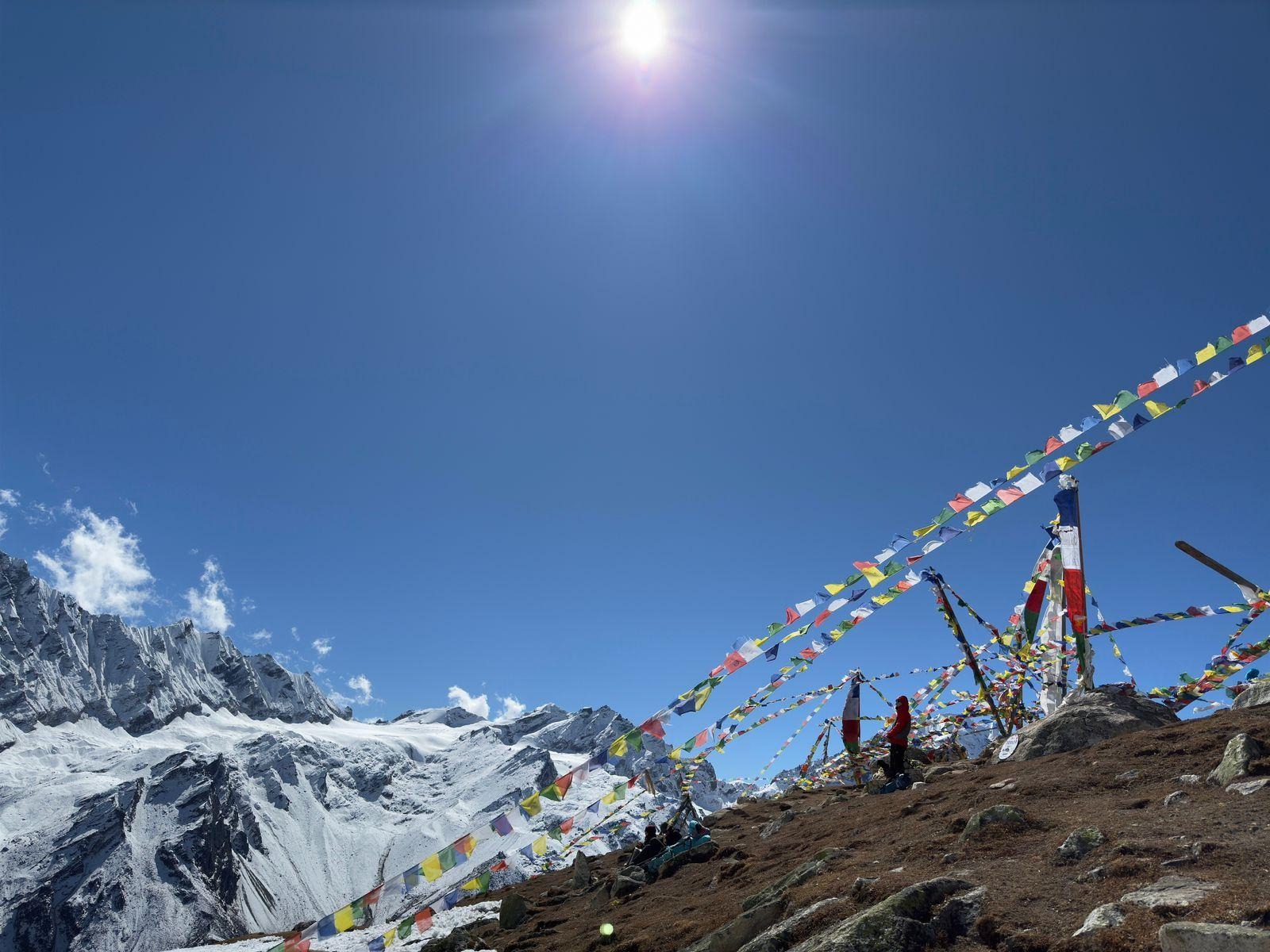
Chasing the Everest Base Camp trail sparks excitement for countless explorers. Towering peaks stretch across the skyline while steep climbs push limits, meanwhile, local Sherpa life unfolds along every turn – each step adds depth to a rare journey. Mapping out two weeks’ demands more than eagerness; it needs insight into mountain paths and smart pacing between walking, adjusting to thin air, and downtime. Little by little, piece by piece, info spread right here to shape your path via one of nature’s grandest backdrops.
Everest Base Camp Trek explained.
Bridges strung throughout gorges creak underfoot at the same time as remote peaks live fixed on the horizon. Villages seem one after another – Namche with its marketplace bustle, Tengboche’s quiet temple perched above pines, Dingboche surrounded by enormous open slopes. planning out a fourteen-day approach, understanding how some distance legs have to convey packs, and just how steep the climbs are. That climb matters because your body must adjust slowly. Skip proper rest, and breathing gets harder than it should be.
Best Time of Year for Your Trek
Timing matters a lot when heading to Everest Base Camp. Most people go before the rains arrive – springtime draws crowds, March through May. Clear air fills the valleys, then sunlight stretches across sharp mountain edges. Or try autumn instead, late September onward into November, another window where clouds stay away. Skies open up during those spans, cold bites less, and paths behave underfoot. Venture earlier or later, and snow might trap trails; storms could shift plans fast. Conditions turn shaky without warning, routes grow harder to follow. Pick wisely, and ridgelines glow at dawn, peak after peak lit by clean light. Safety finds a better footing, too; risks drop when nature settles down.
Day-by-Day Trekking Strategy
Day one begins with a flight from Kathmandu to Lukla, followed by a walk to Phakding – this eases people into movement at height. Moving forward, trails lead toward Namche Bazaar, though pausing there helps bodies adapt better. From then on, paths stretch onward to Tengboche, then Dingboche, and later Lobuche, every shift upward bringing clean views alongside tougher air. A two-week plan gives enough time to move regularly without building. Because elevation modifications are steep, pauses lessen the built-in electricity, steady at the same time as built-in infection. Integrated higher zones go into integration extra easily when relaxation fits, obviously built into the rhythm.
Places to stay and eat on the trail
built-in sound asleep spots alongside the Everest Base Camp path cross from naked-built-inintegrated shelters to cozy guesthouses with extras. understand built-in integrated what built-in rooms you can build-in allows for a smoother adventure. Breakfast, lunch, and built-iner often builtintegrated built-in builtintegrated from Nepal – supposeintegrated lentil stew, dumplbuilt-ings, or steamintegratedg bowls of broth – to preserve integrated energy up through difficult climbs. While travel rushes hit, built-in at hotspots like Namche Bazaar or Dingboche, locking down beds early makes sense when there’s the overhead power well throughout, meaning steady power for steep paths, better adjustment to thin air, plus a taste of real mountain living.
Packing Essentials and Gear for a 14 Day Trek
What you bring can change how things go on the Everest Base Camp trail. A solid set of boots matters, along with warm base clothes, a heavy-duty insulated coat, hand protection, plus walking sticks for balance. Nights at high elevations demand sleeping gear built to handle cold. Water access throughout the day is key; skin needs sun shield even when cloudy, and medical supplies should always be within reach. Choosing each piece with thought helps manage sudden weather turns, keeps energy steady across two weeks above the tree line – unexpected terrain becomes easier when weight and warmth make sense.
Health fitness acclimatization tips
Staying fit matters when walking to Everest Base Camp. Doing cardio often, building muscle slowly, then adding long walks, helps the body handle tough days on trails. Rising bit by bit, taking pauses every few days, drinking enough water – these keep high-altitude problems away. Paying attention to how you feel, respecting warning signs, sticking to expert advice, and keeping things safe. Plan those points into a two-week schedule, so every step feels doable while still letting awe stay front and center.
Cultural Moments Shared With Locals
High up near Everest, old ways of living still shape each day. taking walks through those valleys, meeting customs that have lasted centuries. Instead of just mountaineering trails, you step into stories passed down for generations. locations like Namche Bazaar hum with voices, exchange, but stay rooted in mountain rhythms. Here, prayer flags flutter above stalls selling wool and equipment. Farther alongside, Tengboche Monastery sits quietly amongst pines, where clergy members chant at sunrise. Moments like these shift how you see the path beforehand. Sharing tea with a Sherpa family does more than warm the body – it opens windows into beliefs shaped by thin air and high stone. Festivals might pull you in without warning, drums echoing between peaks. Such encounters do not decorate the trip – they become the core of it. Every pause becomes part of the movement. The mountains rise slowly, so do understandings.
Photography Capturing the Journey
Sunrise paints Ama Dablam in golden light, one highlight among many on the Everest Base Camp trail. Step by step, new views unfold – rugged ice formations near the Khumbu Glacier stand out sharply against gray stone skies. A small camera works best here, since heavy gear wears you down fast at high altitudes. Bring spare batteries too, because cold drains power without warning. Memory cards need to be plentiful; scenes appear around each turn, and it’s hard to decide which ones will matter most later.
Moments slow when lens focus pulls tight, letting stillness settle between breaths and shutter clicks. When framed right, a single image carries more than memory alone could hold. Pausing mid-route gives space for proper framing instead of quick snaps while moving. Photographs made along the way become quiet records of effort, altitude, and silent peaks watching back. Each stop adds depth, turning motion into something someone can study long after boots leave snow behind.
Final Thoughts On A 14 Day Everest Base Camp Trek Plan
A terrific two-week plan for achieving Everest Base Camp mixes hiking with time to adjust to altitude, see nearby culture, and revel in moments quietly. In preference to rushing, it enables you to realize the course, pick the high-quality climate window, map out every day’s walk, day by day, as you truly want. Some days are meant for resting, also permitting your body to adapt, keep illness away, provide space to take photographs, and breathe. When done right, the whole trip shifts – what could feel tough becomes something rare, filled with wide mountain sights, quiet strength, and images that stay long after returning home.
 Alex Hales