

Personal safety isn’t something you should take for granted. Whether you’re commuting through the city, traveling solo, or just want peace of mind, knowing how to defend yourself is empowering. The good news? You don’t need years of training or a black belt to learn practical self-defense techniques that actually work. Let’s break down what every person should know.
Start With Awareness, Not Aggression
The best self-defense happens before anything physical. Most people who get into dangerous situations didn’t see it coming because they weren’t paying attention. Put your phone down when you’re walking. Notice who’s around you. If something feels wrong, it probably is. Trust that instinct. Walk with your head up, shoulders back, and move with purpose. Attackers target people who look distracted or vulnerable, so simply being aware makes you a harder target.
When you’re out, stay in lit areas, vary your routine, and let someone know where you’re going. These simple habits eliminate most dangerous situations before they start.
Your Voice Is a Weapon
Never underestimate the power of yelling. A loud, confident “No!” or “Back off!” can stop an attacker in their tracks. It draws attention, which most predators want to avoid. Your voice also helps you mentally—it shifts you from victim mode to defender mode. Practice saying these commands out loud at home. It might feel silly, but when you need it, you’ll be grateful you did.
Effective Striking Techniques
If you need to physically defend yourself, keep it simple. The palm strike is one of the most effective moves because it’s powerful and hard to mess up. Drive the heel of your palm straight into someone’s face or chest, using your whole body weight. The knee strike works great in close quarters—drive it up hard into the groin or stomach. Elbow strikes are devastating in tight spaces. The key with all of these is using your body’s natural strength, not trying to be fancy.
Target vulnerable areas: eyes, throat, groin, and instep. These spots work on anyone, regardless of size or strength. You’re not trying to win a fight—you’re creating an opening to escape.
The Escape Is the Victory
This is crucial: self-defense isn’t about defeating your attacker. It’s about getting away safely. Once you’ve created an opening with a strike or technique, you run. You don’t stick around. You don’t check if they’re okay. You get to safety, find people, and call for help. That’s the real win.
Exploring Self-Defense Tools and Equipment
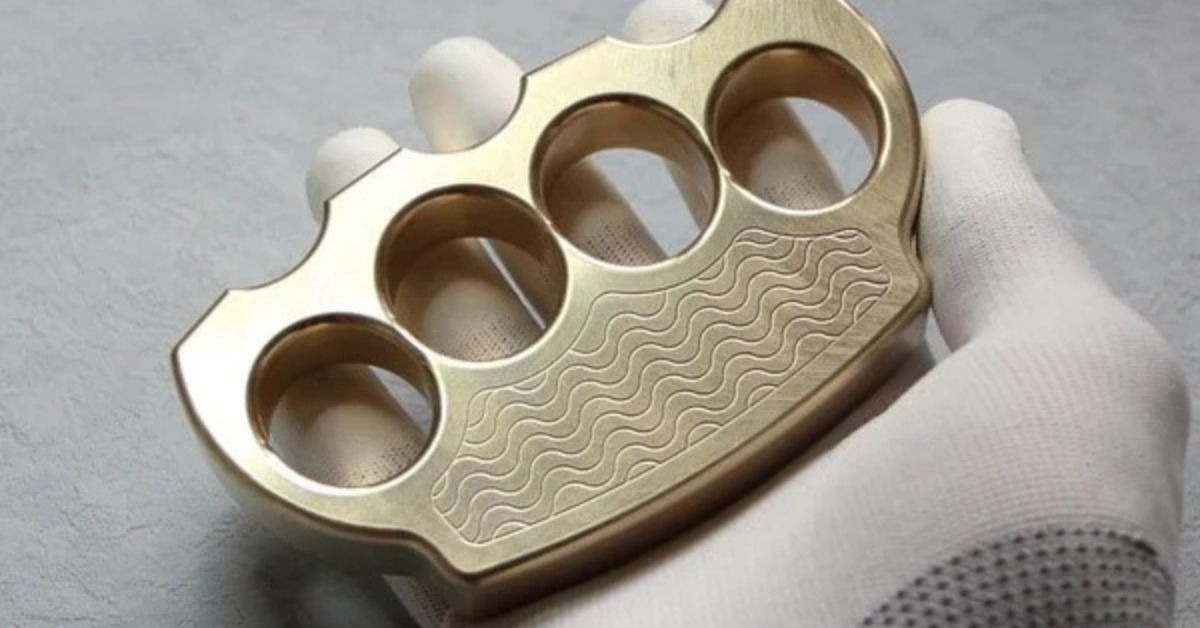
As you think about personal safety, you might come across various tools marketed for self-defense. Some people look into brass knuckles for sale as part of their safety toolkit. If you’re considering real brass knuckles or similar items, here’s what you need to know: check your local laws first. Brass knuckles are illegal in many places, and carrying them could get you arrested even if you never use them. Before buying anything, research what’s actually legal where you live. Talk to local law enforcement or a self-defense instructor about what’s permitted in your area.
That said, your best self-defense tool is always your body and your mind. You can’t forget your real brass knuckles at home, but you always have your hands, your voice, and your awareness. Build those skills first.
De-escalation Saves Lives
Not every confrontation needs to turn physical. Sometimes talking your way out is the smartest move. Keep your hands visible and non-threatening. Speak calmly and respectfully, even if the other person is angry. Give them an out—a way to back down without losing face. “I don’t want any trouble” can work wonders. If someone’s demanding your wallet or phone, give it to them. No possession is worth your life. The goal is to get through the situation alive.
What to Do If You’re Grabbed
If someone grabs you, your first instinct should be to create distance. If they grab your wrist, twist toward their thumb—that’s the weakest part of their grip. If they grab you from behind, drop your weight, turn into them, and strike. If they try to take you down, keep your legs moving and protect your head. Most people panic when grabbed, but staying calm and moving strategically gives you options. This is where training really helps—your body knows what to do when your mind is panicked.
Ground Defense Basics
If you end up on the ground, protect your head and face with your arms. Keep your hips moving to prevent being pinned. Use your legs—they’re stronger than your arms. Push with your feet, create space, and get back up. The goal is always to get vertical and escape, not to win a ground fight.
Training Changes Everything
Reading about self-defense is helpful, but actually training is what makes the difference. Find a local class—boxing, kickboxing, jiu-jitsu, or a dedicated self-defense course. Physical practice builds muscle memory so your body responds automatically when you’re stressed. You’ll also build real confidence, which is half the battle. Plus, you’ll meet other people interested in personal safety and might make some solid friends.
Women Face Different Threats
Women need to understand that most attackers are larger and stronger, so technique matters more than power. Focus on strikes to vulnerable areas—eyes, throat, groin, instep. Use your legs for power. Take a women’s self-defense class if possible; instructors understand the specific threats women face. And remember, you don’t owe anyone politeness if you feel unsafe. Being “rude” by refusing to engage with someone suspicious is perfectly acceptable.
Mental Preparation Matters
Visualize scenarios and how you’d respond. Think about escape routes when you enter a room. Imagine yourself being confident and capable. This mental rehearsal primes your brain to respond better in real situations. It’s not paranoia—it’s preparation.
Take Action Now
Don’t wait for the perfect moment. Sign up for a self-defense class this week. Practice your awareness on your next walk. Learn one striking technique and practice it until it feels natural. Self-defense is a mindset and a set of skills you develop over time. Start small, stay consistent, and build from there. Your safety is worth the effort.
 Blitz
Blitz