

Living in an apartment comes with its own set of practical limitations, especially when it comes to essential systems like hot water. Unlike standalone houses, apartments often have restricted installation areas, shared infrastructure, and strict building regulations that limit what you can install and where.
This means replacing or upgrading your hot water system isn’t just about choosing a new unit; it’s about choosing the right system for your space. If you’re planning a replacement, understanding your options early and working with experts in Hot water installation Adelaide can make the difference between a smooth upgrade and ongoing frustration.
The Unique Challenges of Apartment Hot Water Systems
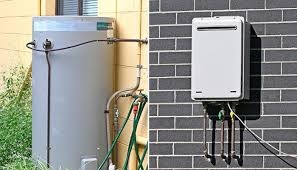
Apartments are not designed with large utility spaces in mind. In most cases, hot water systems need to fit into tight cupboards, balconies, or shared service areas. One of the biggest constraints is physical space. Traditional systems, especially storage tanks, require floor space and proper ventilation. In many apartments, there simply isn’t enough room to accommodate them comfortably.
There are also structural and regulatory limitations. Apartment buildings often have strata rules that restrict changes to plumbing systems or external installations. You may need approval before installing certain types of units, especially gas systems or anything mounted externally.
Shared infrastructure can also complicate things. Some apartments rely on centralised hot water systems, meaning individual upgrades may not be straightforward. These challenges make it essential to choose a system that not only fits physically but also complies with building requirements, something professionals in Hot water installation Adelaide handle regularly.
Why Space Matters More Than You Think
In smaller homes, every square metre counts. A bulky system can take up valuable storage or interfere with the layout. Storage tank systems, while common, require significant space and are usually installed on the floor. They also need clearance for maintenance and safety.
In contrast, modern systems are designed with compact living in mind. Some can be mounted on walls or installed in tight cupboards, freeing up floor space entirely. This is why apartment owners increasingly look for space-saving solutions rather than simply replacing like-for-like systems.
The Most Suitable Hot Water System Options
When space is limited, not all systems are equally practical. The key is choosing one that balances size, performance, and installation feasibility.
Compact Storage Systems
Compact storage units are smaller versions of traditional tanks. They store hot water in a reduced-capacity tank, making them suitable for apartments with moderate usage. They are generally easier to install, especially if you’re replacing an existing tank system. However, they still take up physical space and can run out of hot water if demand is high. These systems are often chosen when simplicity and lower upfront cost are priorities.
Continuous Flow (Tankless) Systems
Continuous flow systems, also known as tankless systems, are one of the most popular choices for apartments. Instead of storing hot water, they heat water on demand. This eliminates the need for a bulky tank and allows the unit to be wall-mounted in compact spaces.
Because they don’t store water, they also avoid standby energy loss, making them more efficient over time. For apartments, the biggest advantage is size. These systems are compact and can fit into areas where traditional tanks simply wouldn’t work. However, they do have limitations. If multiple taps are used simultaneously, performance can drop unless the system is properly sized. This is why professional assessment is critical before installation.
Wall-Mounted and Point-of-Use Systems
For extremely tight spaces, wall-mounted or point-of-use systems can be a practical solution. These units are designed to serve a single fixture or a small section of the apartment, such as a bathroom or kitchen. Because of their compact design, they can be installed in cupboards, under sinks, or even directly near the point of use. They are ideal for small apartments or situations where a full-system upgrade isn’t feasible. However, they may not be suitable for households with higher hot water demand.
Choosing the Right System for Your Apartment
The best system depends on how you use hot water daily. If you live alone or as a couple, a continuous flow system is often the most efficient and space-saving option. It provides hot water when needed without taking up valuable space.
If your usage is predictable and budget is a concern, a compact storage system may be sufficient. For very small apartments or specific problem areas, point-of-use systems can solve space constraints effectively. It’s also important to consider installation requirements. Tankless systems, for example, may require upgrades to electrical or gas connections, making professional guidance essential.
Why Professional Installation Matters
In apartments, installation is rarely straightforward.
There are multiple factors to consider, including:
- Available space and mounting options
- Plumbing layout and access points
- Electrical or gas requirements
- Ventilation and safety compliance
- Building and strata regulations
This is where specialists in hot water installation Adelaide play a crucial role. They assess your apartment’s layout, recommend suitable systems, and ensure the installation complies with all local regulations. Their role is similar to pest control professionals, who assess underlying risks and provide long-term solutions rather than temporary fixes.
They also help avoid common mistakes, such as choosing a system that doesn’t meet demand or doesn’t fit the available space. Without professional input, it’s easy to end up with a system that underperforms or requires costly modifications later.
How to Maximise Efficiency in a Small Space
Once the right system is installed, there are simple ways to make the most of it. Positioning matters. Installing the system closer to where hot water is used reduces heat loss and improves efficiency.
Regular maintenance is also important. Even compact systems require servicing to maintain performance and extend lifespan. Choosing energy-efficient models can also reduce running costs over time. Tankless systems, for example, only heat water when needed, which can significantly improve efficiency compared to traditional tanks.
Conclusion: The Right System Makes All the Difference
Replacing a hot water system in an apartment isn’t just about swapping out old equipment. It’s about working within space constraints, building rules, and practical usage needs. Compact storage units, continuous flow systems, and wall-mounted solutions all offer viable option, but the right choice depends on your specific situation.
With the help of professionals in Hot water installation Adelaide, you can find a solution that fits your space, meets your needs, and performs efficiently in the long term. In apartment living, smart choices matter, and your hot water system is no exception.
FAQs
1. What is the best hot water system for small apartments?
Continuous flow (tankless) systems are often the best option due to their compact size and wall-mounted design.
2. Can I install a tank system in an apartment?
Yes, but space and ventilation requirements may limit your options. Compact tanks are usually more suitable.
3. Are tankless systems better for limited space?
Yes. They are significantly smaller and can be mounted on walls, making them ideal for tight spaces.
4. Do I need approval to install a new system in an apartment?
In many cases, yes. Strata or building regulations may require approval before installation.
 Blitz
Blitz