

The number on the scale drops quickly. Clothes feel looser. Friends notice the change. For anyone who has struggled with weight, rapid loss feels like victory.
But there is a hidden price that rarely makes it into the success story. Alongside fat, the body often loses something far more precious: lean muscle mass. And that loss can quietly sabotage long-term health and weight stability.
What Is Sarcopenia and Why Does It Matter?
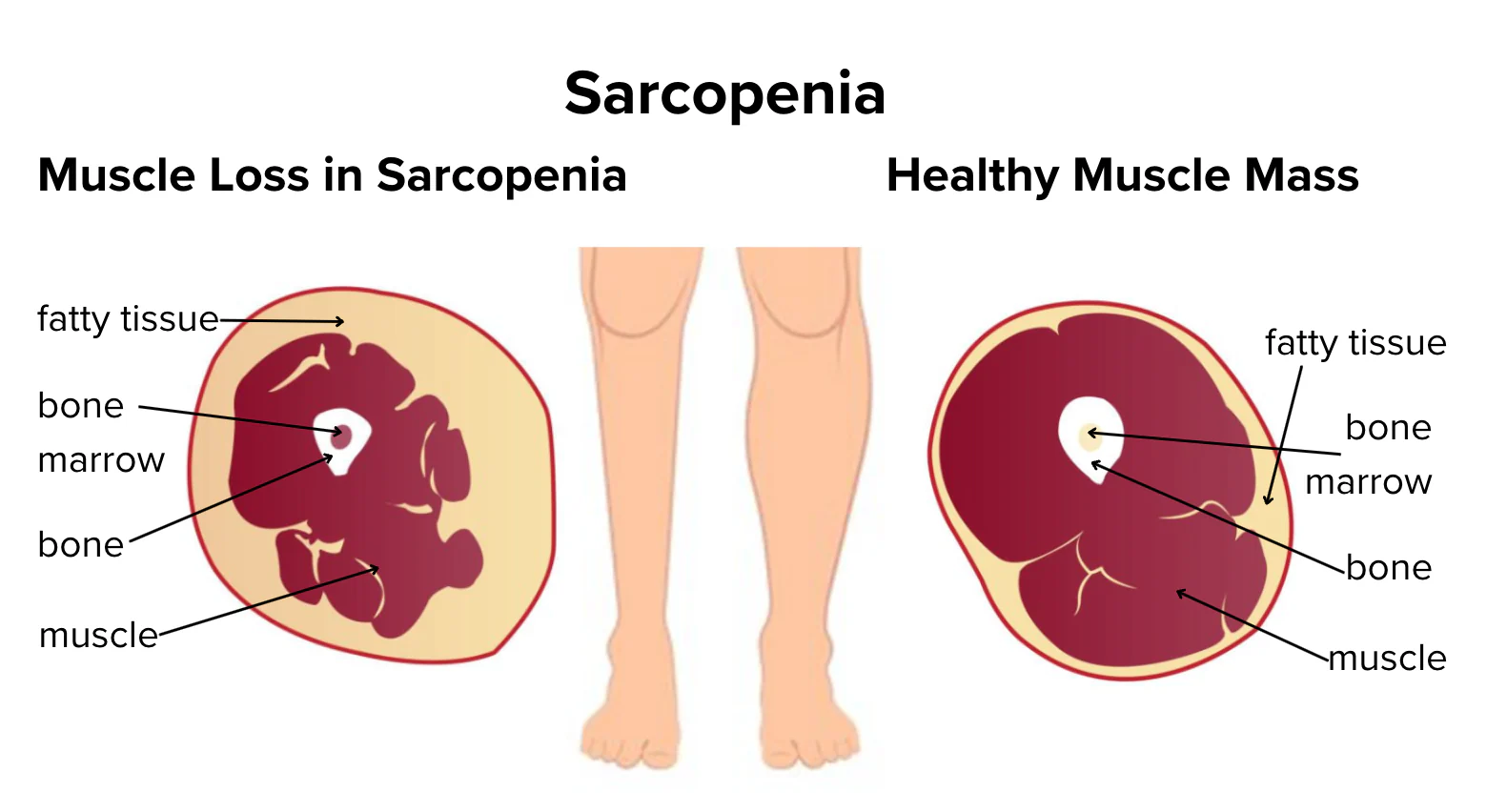
Sarcopenia is the medical term for age-related muscle loss. But muscle loss is not reserved for the elderly. It can accelerate dramatically during rapid weight loss, regardless of age.
Muscle is not just for movement and strength. It is a metabolically active organ. It regulates glucose disposal, stores energy, and determines your resting metabolic rate – the calories you burn at complete rest.
Losing muscle lowers this baseline. A slower metabolism means you burn fewer calories hour by hour, day by day. This is the opposite of what anyone wants during weight loss.
How Rapid Weight Loss Accelerates Muscle Loss
When calories are severely restricted, the body faces an energy crisis. It cannot distinguish between a planned diet and a famine. To survive, it breaks down muscle tissue for fuel through a process called gluconeogenesis.
Research shows that very low-calorie diets can cause 25-30% of lost weight to come from lean mass, not fat. The exact percentage varies, but the pattern is consistent: faster loss often means more muscle sacrificed.
This creates a vicious cycle. Less muscle leads to a slower metabolism. A slower metabolism makes weight regain easier. And when the weight returns, it is often more fat than muscle, leaving the body in worse metabolic condition than before.
The GLP-1 Factor: A Timely Example
Weight-loss medications like Ozempic, Wegovy, and Mounjaro have transformed treatment options for obesity. They suppress appetite effectively, often leading to substantial and rapid weight loss.
However, there is a growing concern among metabolic health specialists. Without concurrent emphasis on protein intake and resistance exercise, users of these medications can lose significant muscle mass alongside fat. The medication addresses appetite but does not instruct the body on what tissue to preserve.
Most prescribing focuses on the drug itself, not on a muscle-preserving protocol. This gap in long-term planning leaves many patients vulnerable to metabolic slowdown and regain once the medication stops.
How to Preserve Muscle During Weight Loss
Protecting muscle does not require complicated interventions. These evidence-based strategies make a substantial difference.
Prioritise protein. Aim for 1.6 to 2.2 grams of protein per kilogram of body weight daily, spread across three to four meals. High-quality sources include lean meats, fish, eggs, dairy, legumes, and tofu.
Incorporate resistance exercise. No gym membership is required. Bodyweight exercises like squats, lunges, and push-ups, along with resistance bands or light weights, signal the body to hold onto muscle. Two to three sessions per week are sufficient.
Avoid extreme deficits. A moderate, steady loss of 0.5-1% of body weight per week is more protective of muscle than crash dieting. Patience is a metabolic asset.
Monitor progress beyond the scale. Track strength, energy levels, how clothes fit, and body measurements. These metrics often improve even when the scale moves slowly.
The Role of Expert Guidance
Navigating protein targets, exercise routines, and medication side effects can be overwhelming, especially for those using or coming off GLP-1 medications. Generic advice often fails to account for individual differences in metabolism, lifestyle, and medical history.
A weight loss expert can design a personalised plan that protects muscle while achieving fat loss. This includes adjusting protein intake, prescribing appropriate resistance work, and coordinating with medical providers when needed. Expert support provides accountability, evidence-based adjustments, and a focus on long-term metabolic health – not just short-term numbers.
Slow and Steady Wins the Race
Rapid weight loss often comes at a hidden cost: muscle loss and a slower metabolism. Sustainable results require a different approach – one that prioritises protein, incorporates resistance exercise, and avoids extreme deficits.
You do not have to choose between losing weight and keeping your metabolism healthy. With the right strategies and support, you can achieve lasting fat loss while protecting your body’s strength and resilience.
The goal is not just a lower number on the scale. It is a healthier, stronger, more energetic you – for years to come.
 Backlinks Hub