

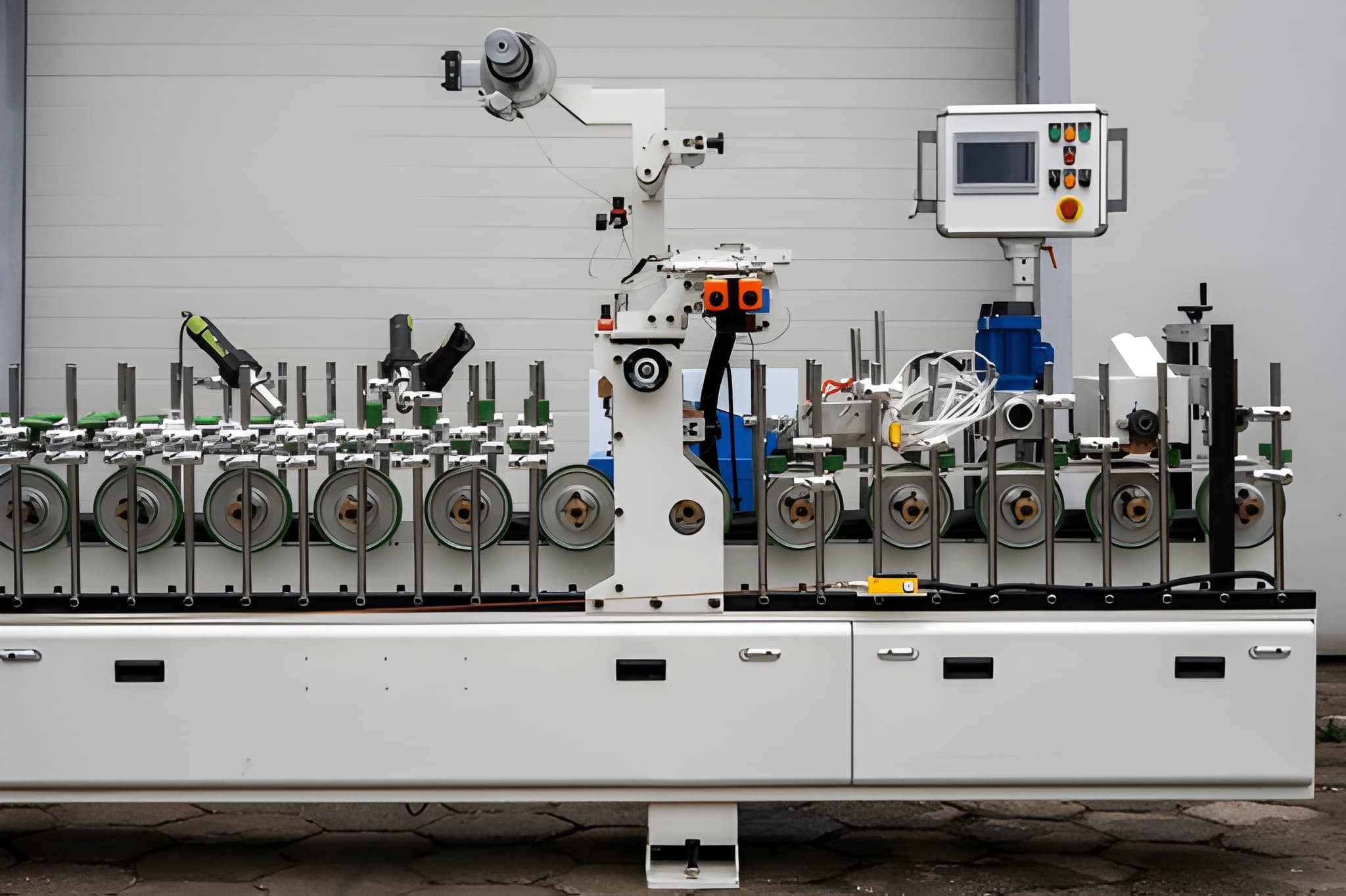
Modern industries face constant pressure to increase efficiency, reduce costs, and improve product quality. Achieving these goals requires streamlined processes and intelligent systems. Industrial automation provides the solution by integrating technology to control and monitor machinery and processes. This shift not only boosts productivity but also enhances safety and provides valuable data for decision-making. For businesses looking to gain a competitive edge, embracing automation is no longer an option—it’s a necessity.
This article explores the comprehensive industrial automation services that can transform your operations. We will cover key areas from PLC programming and SCADA systems to full-scale plant retrofits and ongoing maintenance. You will learn how these solutions drive success across diverse sectors like manufacturing, packaging, and energy.
Core Automation Services for Modern Industry
A successful automation strategy relies on a foundation of specialized services. These components work together to create a cohesive, efficient, and intelligent system tailored to specific operational needs.
PLC Programming & Troubleshooting
The Programmable Logic Controller (PLC) is the brain of most automated systems. It’s a ruggedized computer that executes control instructions for industrial machinery. Effective PLC programming is crucial for reliable and efficient operations. Services in this area include developing new programs from scratch, modifying existing code to improve processes, and performing expert troubleshooting to diagnose and resolve faults quickly. Expertise across major platforms like Siemens, Allen Bradley, and Schneider ensures compatibility and performance for any system.
HMI Design & Development
While the PLC does the work, the Human-Machine Interface (HMI) provides the window into the system for your operators. A well-designed HMI presents complex data in an intuitive, user-friendly format. Key development services focus on creating clear operator screens, configuring alarms for immediate fault notification, and building systems for managing recipes and generating reports. For global operations, multi-language support ensures that teams everywhere can interact with the system effectively.
SCADA System Development
Supervisory Control and Data Acquisition (SCADA) systems offer a high-level view of your entire operation. They collect data from PLCs and other devices across the plant, presenting it on centralized dashboards. This allows for comprehensive plant monitoring, historical data logging for analysis, and detailed reporting. Modern SCADA solutions also enable remote monitoring via web or mobile devices, giving you access to critical information anytime, anywhere.
Integrating Hardware and Systems
Beyond programming, physical integration and hardware management are critical for a functioning automated environment. This involves designing control panels, managing motor controls, and ensuring all parts of the system communicate seamlessly.
Control Panel Design & Commissioning
Control panels are the central nervous system of an industrial facility, housing the PLCs, drives, and other electrical components that run your machinery. Professional design services ensure these panels are safe, reliable, and compliant with industry standards. This process includes creating detailed electrical drawings, supervising panel wiring, and conducting Factory Acceptance Tests (FAT) and Site Acceptance Tests (SAT) to guarantee performance before and after installation.
Drives & Motion Control
Variable Frequency Drives (VFDs) and servo systems are essential for precise control over motors, conveyors, and robotic arms. Proper parameterization of VFDs helps optimize motor speed and torque, while expert servo system tuning ensures exact positioning and movement. A key benefit of effective drives and motion control is energy savings, as motors only consume the power needed for the task at hand.
System Integration
A truly automated facility is one where all components work together harmoniously. System integration connects PLCs, HMIs, SCADA systems, and drives into a single, cohesive unit. This is achieved using industrial communication protocols like Modbus, Profibus, and Ethernet/IP. Furthermore, integration with IoT platforms and OPC servers allows plant-floor data to be shared with enterprise-level business systems, unlocking deeper insights and enabling smarter manufacturing.
Tailored Solutions for Diverse Industries
Industrial automation is not a one-size-fits-all solution. Different industries have unique processes, challenges, and regulatory requirements. Expert automation services are tailored to meet the specific needs of various sectors.
Key industries served include:
- Water Treatment: Automating filtration, chemical dosing, and monitoring for public and industrial water systems.
- Textile: Integrating controls for spinning, weaving, and dyeing processes to improve consistency and output.
- Packaging: Implementing high-speed motion control and vision systems for filling, labeling, and palletizing.
- Food & Beverage: Ensuring process repeatability and compliance with food safety standards through automated recipe management and clean-in-place (CIP) systems.
- Cement, Power, Oil & Gas: Deploying robust control systems for harsh environments to enhance safety and efficiency in material handling and processing.
Future-Proofing Your Operations
Technology is constantly evolving, and industrial systems are no exception. Services focused on upgrades and long-term support ensure your facility remains competitive and efficient for years to come.
Retrofit & Upgradation
Many facilities still rely on outdated relay logic or obsolete PLCs that are inefficient and difficult to maintain. Retrofit services specialize in replacing these legacy systems with modern PLC-based controls. This process, along with SCADA modernization, breathes new life into existing machinery, improving its performance, reliability, and data-gathering capabilities without the cost of a complete replacement.
Training and Maintenance
Your team is your most valuable asset. Comprehensive training services empower your maintenance and engineering staff with the skills needed to operate and troubleshoot PLC, HMI, and SCADA systems. To ensure continuous uptime, Annual Maintenance Contracts (AMCs) provide a structured approach to support. These contracts typically include preventive maintenance schedules, emergency breakdown support, and remote assistance to resolve issues quickly.
Conclusion
Industrial automation services offer a powerful path to operational excellence. By integrating robust solutions for control, monitoring, and data acquisition, businesses can significantly increase productivity, reduce errors, and gain a decisive market advantage. From PLC programming and HMI design to full system integration and long-term support, a strategic partnership with an automation expert provides the tools needed to thrive.
If your organization is ready to enhance its efficiency and future-proof its operations, exploring these automation solutions is a critical next step.
 Hamza
Hamza  Blitz
Blitz  admin
admin