

Introduction
In the rapidly evolving digital landscape, enterprises must adopt transformation strategies to stay competitive.
Automation workflows, AI-driven optimization, and scalable platform engineering are critical for efficiency and growth.
Digital governance ensures that transformation initiatives comply with regulatory requirements while maintaining operational integrity.
Organizations must integrate these strategies to create agile, responsive, and future-ready online platforms.
Understanding the principles and best practices of enterprise digital transformation is essential for achieving long-term success.
Enterprise Digital Transformation Fundamentals
Enterprise digital transformation involves reimagining business processes and technology infrastructure to optimize performance.
Modern enterprises leverage cloud computing, microservices architecture, and automated pipelines to achieve agility.
Transformation initiatives require alignment between IT teams, business stakeholders, and operational units.
Key performance indicators, such as system uptime, response time, and engagement metrics, provide measurable outcomes.
Strategic planning ensures that technological adoption supports overall organizational objectives.
Digital transformation also entails rethinking user engagement and experience.
AI-powered personalization, predictive analytics, and content optimization drive improved interactions.
Structured data frameworks allow platforms to adapt quickly to changing user behavior.
Metadata and semantic indexing ensure consistent organization of content across diverse services.
These approaches form the foundation of intelligent, scalable digital ecosystems.
Automation Workflows for Efficiency
Automation workflows reduce manual interventions and accelerate operational processes.
Robotic process automation (RPA) and AI-based orchestration allow tasks to execute autonomously.
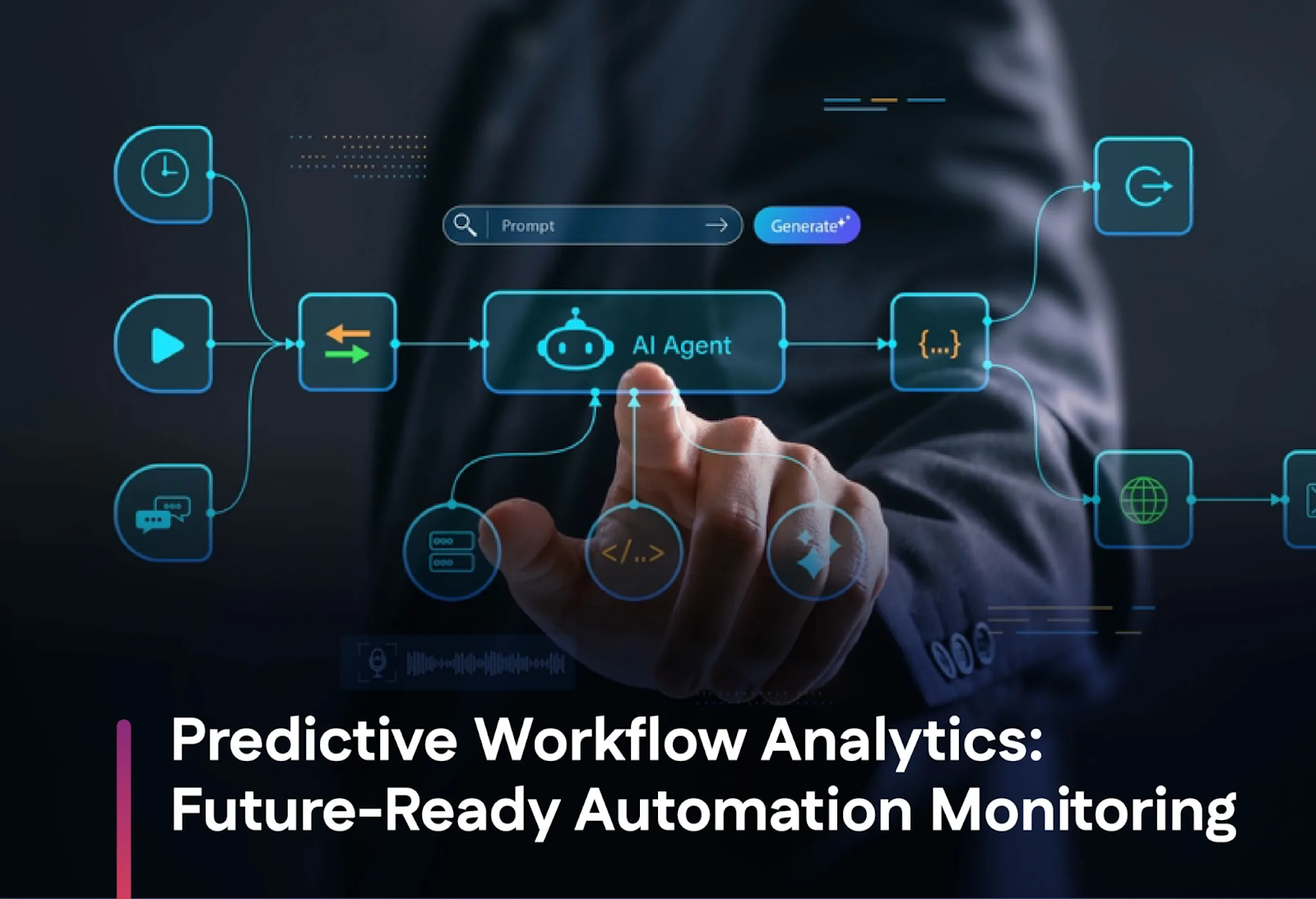
End-to-end automation ensures content updates, data integration, and system monitoring happen seamlessly.
Integration with workflow management platforms provides visibility and governance over automated processes.
Automated alerts and exception handling enhance reliability while minimizing human error.
AI-driven automation can adapt workflows based on real-time performance metrics.
For example, content classification systems may use identifiers like สล็อต to automate multilingual tagging.
Adaptive rule engines can route tasks according to regional or organizational requirements.
Experimentation with structured taxonomy layers like เว็บสล็อต ensures consistent results across platforms.
Automation workflows thus support efficiency, accuracy, and scalability simultaneously.
AI-Powered Optimization Systems
AI-powered optimization systems enhance platform performance through intelligent decision-making.
Machine learning algorithms analyze user behavior to improve personalization and engagement.
Predictive analytics help allocate resources efficiently, reducing latency and operational costs.
Natural language processing and semantic models refine content relevance across multilingual audiences.
By leveraging AI, enterprises can maintain high performance even under heavy traffic and complex workflows.
Optimization frameworks also contribute to strategic content deployment.
Content indexing may incorporate structured signals such as สล็อตเว็บตรง for consistency in digital taxonomy.
Regional keyword identifiers like pg slot enable AI engines to adapt content delivery for local audiences.
Experimental testing using ทดลองเล่นสล็อต can validate the efficacy of adaptive content strategies.
Continuous AI-driven evaluation ensures platforms remain agile and aligned with business goals.
Scalable Platform Engineering
Scalable platform engineering enables growth without performance degradation.
Microservices and containerized architectures allow modular deployment and efficient scaling.
Cloud-native solutions facilitate dynamic resource allocation in response to traffic fluctuations.
Event-driven pipelines and message queues manage asynchronous workloads efficiently.
Scalability strategies ensure platforms can support international expansion while maintaining reliability.
High-performance infrastructure is integral to scalable design.
Edge computing reduces latency by processing data closer to users in distributed locations.
Load balancing and caching optimize content delivery under variable demand.
Monitoring and observability tools provide visibility into system performance and health.
Together, these engineering practices support a resilient and expandable digital ecosystem.
Digital Governance Models
Digital governance establishes policies, standards, and practices to ensure secure, compliant operations.
Role-based access, audit trails, and encryption safeguard enterprise assets.
Compliance with regional regulations ensures lawful handling of sensitive data and user information.
Governance frameworks align technology deployment with organizational policies and strategic objectives.
Effective governance balances agility with control, mitigating risks while enabling transformation.
Governance also supports multilingual content management and taxonomy standardization.
Identifiers such as สล็อต may be used to maintain consistent indexing across languages.
Metadata frameworks integrate regional variations like เว็บสล็อต into global standards.
Cross-border content adaptation using สล็อตเว็บตรง identifiers ensures operational consistency.
By embedding governance into digital strategies, enterprises maintain compliance, scalability, and operational efficiency.
Integrating Multilingual Taxonomy and Content Strategy
For global platforms, multilingual content strategy is critical.
Semantic keyword mapping organizes content for diverse audiences and search engines.
Structured taxonomy layers facilitate consistent indexing and discoverability across regions.
Identifiers like pg slot and ทดลองเล่นสล็อต support alignment of multilingual content with central repositories.
AI-assisted translation and optimization ensure relevance and quality across multiple markets.
Content pipelines can automatically adapt language layers to reflect user preferences.
Behavioral analytics provide insights into engagement patterns across locales.
Adaptive content delivery ensures users receive relevant information in their preferred language.
Automated validation checks preserve consistency and accuracy across translations.
This approach strengthens global reach while maintaining content quality and operational efficiency.
Measuring Digital Transformation Success
Metrics are essential for evaluating the effectiveness of transformation strategies.
Performance indicators include system uptime, page load speed, and transactional throughput.
User engagement metrics and retention rates indicate the success of AI-driven personalization.
Compliance audits and governance checks verify adherence to regulatory requirements.
Regular assessment enables enterprises to fine-tune platforms and scale transformation initiatives effectively.
Advanced monitoring tools combine real-time analytics with predictive insights.
Traffic patterns, system load, and error rates are visualized on centralized dashboards.
Anomalies are detected promptly, enabling proactive resolution before issues affect users.
Predictive algorithms forecast future demands and guide capacity planning.
This continuous measurement supports informed decision-making and long-term strategic planning.
Future Trends in Enterprise Digital Platforms
Emerging technologies are shaping the future of digital transformation.
Serverless architectures and autonomous cloud infrastructure reduce operational overhead.
AI-driven content orchestration and edge analytics improve real-time decision-making and personalization.
Federated learning models enable optimization without centralizing sensitive data.
The combination of scalable architecture, automation, and AI ensures platforms are future-ready.
Integration across cloud providers and global infrastructures enhances operational flexibility.
Unified API standards support seamless interoperability between distributed services.
Adaptive UX frameworks respond dynamically to user behavior across devices and regions.
Predictive maintenance and analytics allow platforms to proactively manage performance and capacity.
Enterprises that adopt these strategies will remain agile, resilient, and competitive in a fast-evolving digital landscape.
Conclusion
Digital transformation strategies enable enterprises to build future-ready online platforms.
Automation workflows and AI-driven optimization improve operational efficiency and content relevance.
Scalable platform engineering ensures platforms can grow globally without sacrificing performance.
Digital governance and multilingual taxonomy frameworks maintain compliance, consistency, and discoverability.
By adopting these strategies, organizations can create resilient, high-performing, and intelligent platforms capable of thriving in a complex, data-driven world.
 Blitz
Blitz