

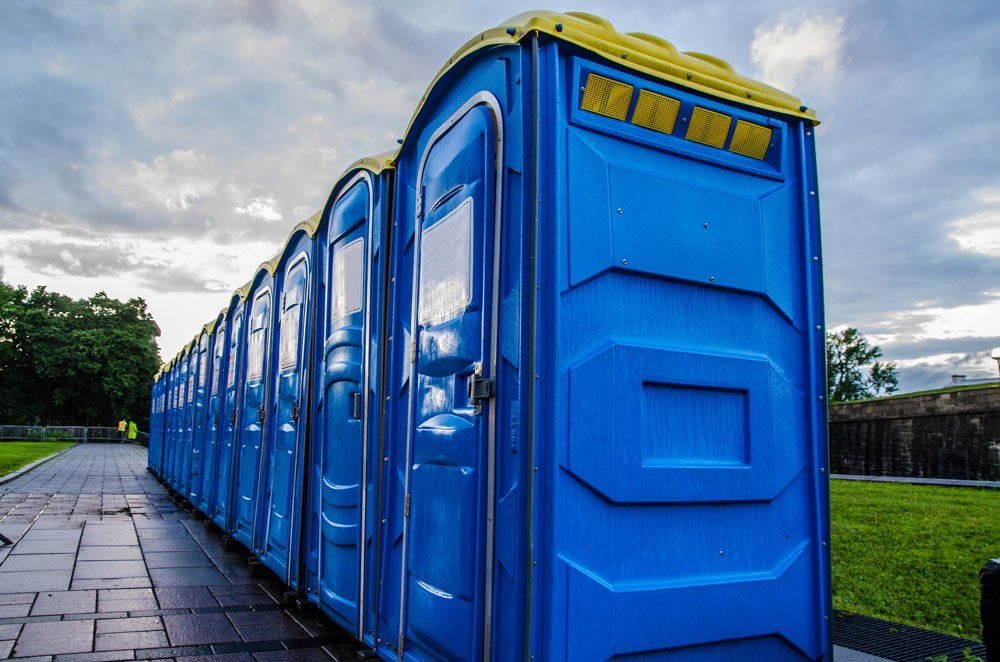
Large outdoor gatherings—whether festivals, concerts, fairs, sporting events, or community celebrations—depend on infrastructure that often goes unnoticed when done well. Among the most critical components is portable restroom planning. When restroom capacity is miscalculated or poorly positioned, the impact is immediate: long lines, sanitation concerns, attendee dissatisfaction, and operational strain.
For event planners managing high-attendance outdoor gatherings, portable restroom planning should be treated as a structured operational discipline rather than a last-minute logistical task.
Estimating Restroom Demand Accurately
Restroom planning begins with realistic attendance projections. Overestimating slightly is safer than underestimating, particularly for multi-hour or all-day events.
Key variables that influence restroom demand include:
- Total projected attendance
- Event duration
- Alcohol service
- Food vendor concentration
- Demographic mix (families vs. adult-only events)
- Time-of-day scheduling
Alcohol service, in particular, increases restroom frequency. Extended events or those with peak crowd surges require additional capacity beyond baseline estimates.
Rather than relying on a flat unit-per-person assumption, planners should consider usage patterns throughout the event timeline.
Aligning Capacity with Event Duration
Duration significantly affects required unit counts. A two-hour community gathering has different restroom demands than a 10-hour music festival.
Longer events require:
- More units overall
- Scheduled servicing during the event
- Contingency capacity for peak periods
High-attendance events that stretch across an entire day may need pump-out service mid-event to maintain sanitation standards. Incorporating servicing windows into the operations plan reduces the risk of units reaching capacity before the event concludes.
Strategic Placement to Reduce Congestion
Placement is just as important as quantity. Poorly positioned restrooms can create bottlenecks and disrupt pedestrian flow.
Effective placement strategies include:
- Distributing units across multiple zones
- Locating restrooms near food and beverage areas
- Ensuring access from high-traffic corridors
- Maintaining emergency access lanes
Clustering all units in a single area may appear organized, but it often results in crowding. Strategic distribution minimizes line buildup and spreads foot traffic more evenly across the site.
Accessibility and Compliance Considerations
High-attendance outdoor gatherings must account for accessibility. Accessible units should be integrated into restroom clusters rather than isolated, ensuring equal access without drawing undue attention.
Event planners should also confirm local compliance requirements, which may dictate minimum ratios for accessible facilities.
Additionally, adequate lighting is essential for evening events. Well-lit restroom areas improve safety perception and usability.
Planning for Peak Traffic Windows
Most events experience predictable usage spikes:
- Immediately after gates open
- During intermissions or set changes
- After headline performances
- Before event closure
Portable restroom planning should account for these concentrated demand periods. Adding buffer capacity prevents peak traffic from overwhelming available units.
Modeling usage flow in advance allows planners to anticipate where congestion is likely to occur and adjust layout accordingly.
Servicing and Maintenance Scheduling
For multi-day festivals or extended single-day events, restroom maintenance becomes a continuous operational task.
Planning should address:
- Frequency of cleaning and restocking
- Pump-out schedules
- Onsite staff for monitoring conditions
- Clear service vehicle access routes
Service trucks require unobstructed access to restroom clusters. Designing service lanes during site layout prevents interference with pedestrian traffic during maintenance windows.
Managing Terrain and Ground Conditions
Outdoor events often take place on grass, gravel, or uneven terrain. Ground stability affects both placement and servicing.
Restrooms should be positioned on:
- Level ground
- Surfaces capable of supporting service vehicles
- Areas protected from excessive mud accumulation
Weather conditions must also be considered. Rain can complicate servicing access, and high heat may increase odor concerns. Factoring environmental conditions into planning enhances overall performance.
Crowd Experience and Perception
Restroom availability directly influences attendee satisfaction. Long lines and poorly maintained facilities can overshadow otherwise successful programming.
Event planners should view restroom planning as part of overall guest experience management. Clear signage, adequate spacing, and well-maintained units contribute to positive perceptions.
Proactive planning reduces complaints and helps maintain event reputation.
Coordinating with Experienced Providers
High-attendance gatherings require providers familiar with large-scale event logistics. Coordination should begin early in the planning process to ensure availability during peak event seasons.
Working with established providers of porta john rentals allows planners to align unit counts, servicing schedules, and delivery timing with overall event operations.
Early coordination is especially important during busy festival seasons when demand for portable restroom units increases significantly.
Integrating Restroom Planning Into Overall Site Operations
Portable restroom planning should be integrated into the master site plan, not added after layout decisions are finalized.
Key integration points include:
- Emergency management planning
- Security staffing locations
- Traffic flow mapping
- Waste management coordination
- Vendor placement
When restroom planning aligns with these operational components, overall site efficiency improves.
Contingency Planning for Attendance Variability
Attendance projections are estimates. Weather changes, promotional surges, or headline attractions can alter turnout unexpectedly.
Including contingency capacity or the ability to add units quickly provides flexibility. Planning for scalability reduces risk in the face of attendance variability.
Budgeting Considerations
Portable restroom rentals represent a defined operational expense. Costs typically depend on:
- Number of units
- Rental duration
- Service frequency
- Delivery and pickup logistics
Building restroom planning into the early budgeting process ensures accurate cost forecasting and avoids reactive adjustments closer to the event date.
Transparent coordination with providers supports financial predictability.
Post-Event Breakdown and Removal
Event closeout should include coordinated restroom removal timing. Units should be collected after crowds disperse but before site restoration activities begin.
Ensuring clear access for pickup prevents delays and supports efficient teardown operations.
Portable restroom planning is a structural component of high-attendance outdoor gatherings. Accurate capacity estimation, strategic placement, servicing coordination, and contingency preparation all contribute to operational success.
For event planners, restroom infrastructure should be approached with the same discipline applied to staging, security, and vendor management. When thoughtfully integrated into the broader event plan, portable restrooms support sanitation standards, enhance attendee experience, and reduce operational stress throughout the lifecycle of the gathering.
 admin
admin