

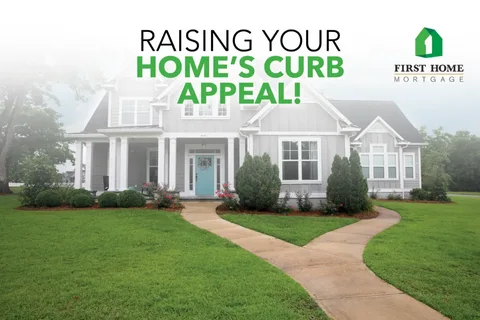
Selling a home can be both emotionally and financially stressful. For many homeowners, it represents years of memories and one of their largest financial assets. When it’s time to list, the pressure to make the “right” decisions—what to fix, what to spend, and what to leave alone—can feel overwhelming. One factor consistently stands out as a difference-maker: curb appeal.
Curb appeal isn’t just about looks. It shapes buyer perception, influences how a home is priced, and can even affect how smoothly the sale moves forward.
What Is Curb Appeal—and Why It Matters
Curb appeal refers to how your home looks from the outside, starting the moment a buyer pulls up. That first impression forms quickly, often before a buyer steps inside.
According to the National Association of Realtors (NAR), exterior features play a significant role in attracting buyers and increasing perceived value. When a home looks well cared for on the outside, buyers are more likely to assume it’s been maintained on the inside as well.
This perception matters because buyers don’t just compare square footage and price—they compare how a home feels.
How Buyers Form Opinions Before Entering the Home
Most buyers arrive at a showing with expectations already forming. The exterior sets the tone and can influence how forgiving—or critical—they are once inside.
A clean, welcoming exterior often signals:
- Pride of ownership
- Lower risk of deferred maintenance
- A move-in-ready experience
In contrast, peeling paint, overgrown landscaping, or cluttered entryways can raise concerns about hidden issues. Appraisers and inspectors note that visible neglect outside often leads buyers to anticipate problems elsewhere, which can complicate negotiations later.
The Financial Impact of Strong Curb Appeal
Curb appeal doesn’t just attract attention; it can protect your bottom line. Homes that show well from the outside tend to:
- Generate more interest early in the listing period
- Receive stronger initial offers
- Spend less time on the market
Data referenced by housing industry organizations, including the National Association of Home Builders, shows that modest exterior improvements often deliver solid returns compared to their cost. Even small upgrades can reduce price reductions and prevent deals from stalling.
Exterior Improvements That Offer the Most Impact
Not every upgrade needs to be expensive. The most effective curb appeal improvements are often simple and strategic.
High-impact, budget-friendly updates
- Fresh exterior paint or touch-ups on trim and doors
- Updated house numbers and exterior lighting
- Clean windows and pressure-wash walkways
- Well-maintained landscaping with trimmed hedges
Improvements that signal care and maintenance
- Repairing cracked steps or walkways
- Fixing loose railings or damaged siding
- Clearing gutters and improving drainage areas
These updates help buyers focus on the home’s potential rather than its problems.
Curb Appeal and the Sales Timeline
A strong first impression can also influence how smoothly a transaction progresses. When buyers feel confident about a property from the outset, they’re often less aggressive during inspections and negotiations.
Homes with visible curb appeal improvements are more likely to:
- Face fewer repair requests
- Avoid extended back-and-forth negotiations
- Move closer to the standard time to close on a house rather than experiencing delays
Industry professionals, including appraisers and real estate boards, frequently note that exterior condition affects buyer confidence long before paperwork begins.
Curb Appeal Through the Appraiser’s Lens
While appraisals rely on data and comparable sales, condition still matters. The Federal Housing Finance Agency (FHFA) emphasizes that overall property condition—including exterior upkeep—can influence valuation within a given price range.
A well-maintained exterior supports the idea that the home has been cared for consistently, which can help justify pricing aligned with recent market comps.
Emotional Value Matters, Too
Beyond dollars and timelines, curb appeal affects how buyers emotionally connect with a home. A welcoming exterior makes it easier for buyers to picture themselves living there.
That emotional connection often translates into:
- More serious interest
- Faster decision-making
- Greater willingness to meet seller terms
In competitive or uncertain markets, that connection can be the deciding factor.
Making Smart Decisions Without Overspending
Homeowners don’t need to chase perfection. The goal is not luxury—it’s reassurance. Focus on projects that clearly communicate care, cleanliness, and readiness.
Before investing, ask:
- Does this improve first impressions immediately?
- Will buyers notice it from the street?
- Does it reduce potential buyer concerns?
If the answer is yes, it’s likely worth considering.
A Balanced Path Forward
Curb appeal plays a critical role in how homes are perceived, priced, and sold. It influences buyer confidence, supports smoother negotiations, and can help keep a sale on track. While it won’t replace solid pricing or good marketing, it amplifies both.
For homeowners navigating the stress of selling, focusing on curb appeal offers a practical, manageable way to strengthen outcomes without unnecessary expense. With thoughtful updates and realistic expectations, sellers can position their homes to stand out—for the right reasons—and move forward with greater confidence.
 admin
admin